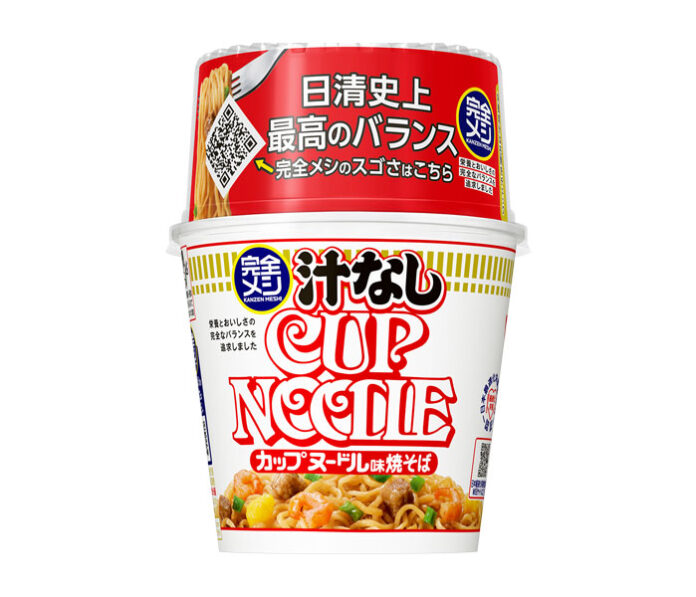
Masahiro Fukai, Senior Managing Director of Nissin Foods and Head of the Business Management Division as well as Head of the Well-being Promotion Department, said, “What is important in optimizing the supply chain is not merely manufacturing or transporting at low cost; we believe it is about creating new value.” Looking ahead, he predicts that values emphasizing consideration for the environment and health, as seen in Europe, will also take root in Japan. He expressed the view that “our pursuit of sustainability from materials procurement through product logistics, as well as our nutritionally optimized meal brand ‘Kanzen Meshi,’ will become new forms of value.”
As one example of the changes taking place in Europe, he cited the Dutch chocolate confectionery brand Tony’s Chocolonely. He said that not only its taste, but also its thoroughly sustainable and environmentally friendly product concept, has won support, allowing it to expand its market share locally even though it is priced at a premium.
He also noted that in Europe, the labeling of nutritional profiling on the front of packaging has been made mandatory. This has made it easier for consumers to choose healthier foods.
Fukai stated, “These initiatives will eventually become increasingly important in Japan as well. We want our products to provide not only good taste and convenience, but also value in areas such as nutrition and environmental conservation. ‘Kanzen Meshi’ is a brand that pursues a perfect balance between the 33 nutrients established under Japan’s Dietary Reference Intakes for Japanese people and good taste. We will create new value from the upstream to the downstream of the supply chain.”
Logistics Reform Begins with Visualization
Meanwhile, he emphasized that, in order to reform the supply chain, the first important step is visualization.
As an immediate issue, he pointed to business practices seen in domestic logistics, saying, “In the processed food industry, it often becomes an issue among manufacturers, wholesalers, and retailers as to who should bear the burden of ancillary tasks such as unloading and sorting. I have to say that the substance of this is extremely unclear. The reason this happens is that the parties involved are unable to grasp the entire series of operational processes. Ultimately, the ones who bear all of these operational costs are the customers who purchase the products.”
He then added, “What is important is the perspective of at what stage ancillary tasks should be carried out in order to ensure the greatest sustainability, improve efficiency and reduce costs, and return those benefits to customers. First of all, it is essential for manufacturers, distributors, and retailers to become partners and examine the current burden of work and costs, and we are also broadly calling on our business partners to do the same.”