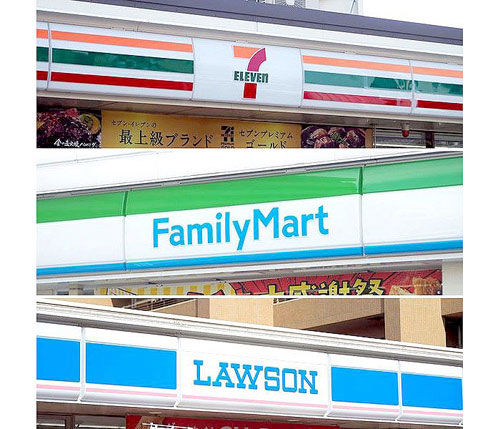
The three major convenience store chains will roll out strategies that leverage each company’s strengths against the backdrop of rising prices, labor shortages, and changes in consumer behavior. Focusing on structural reform, enhanced experiential value, technology utilization, and community-rooted operations, they are looking ahead to the next stage of growth in an era of change.
Seven-Eleven Japan: Fundamental Supply Chain Reform
Amid continued inflation and a weak yen, the company is taking on a fundamental overhaul of its supply chain over several years, aiming to shift to a profit structure that does not depend solely on passing on price increases. President Tomohiro Akutsu said, “It will be a major transformation, gradually changing a system that we have built over the past 50 years.”
The company will improve logistics efficiency and optimize procurement conditions, reviewing manufacturing and stores as one integrated whole. In revising lead times for room-temperature products, it reduced logistics burdens and gained understanding from the field. Going forward, it will continue to set annual themes and advance reforms that benefit both suppliers and the company.
On the product side, it is shifting toward “aggressive development” and will strengthen the rollout of limited-quantity and limited-period items. Products such as “Umami Aimori Rice Balls” and “Hydrogen-Roasted Coffee” have attracted new customer segments and helped recovery in café and rice dishes. In addition, it is expanding “Seven Café Bakery” and “Seven Café Tea,” which draw customers in through the appeal of “freshly made” products. The company is also proceeding in parallel with labor-saving measures such as the introduction of self-checkout registers.
In store openings, it has set a goal of a net increase of 1,000 stores by fiscal 2030 and will respond to regional needs through diverse formats.
FamilyMart: Raising Brand Value
The company aims to raise brand value through a dual focus on efficient store operations and the creation of experiential value. President Kensuke Hosomi said, “If you only chase sales, profit won’t remain,” and the company is moving away from the conventional model amid rising rents, labor costs, and prices.
Last year, as an “attack” measure for growth, it rolled out initiatives featuring Shohei Ohtani and the hands-on event “FamiFes.” Going forward, it will position itself around IP business and promote the concept of “a convenience store you can play with,” while creating experiential value that makes shopping itself enjoyable. It will also strengthen products and campaigns that combine the clarity of staple items with trend appeal.
On the environmental side, it will reinforce BCP and establish store operations that function in both normal times and emergencies, including through the use of mobile stores. It will also nurture retail media and its apparel business as growth areas, helping to lift the overall store brand.
Lawson: Improving Productivity with Technology
Lawson aims for sustainable growth centered on productivity improvements through technology utilization and regional strategy. President Sadanobu Takemasu said that, as aging and labor-force decline progress, “it is important to provide new value while improving productivity,” and the company has set goals of a 30% increase in daily sales per store and a 30% reduction in store operations by fiscal 2030. A full system overhaul is planned for fiscal 2028, and reforms are being advanced to address labor shortages and improve ease of working.
Using the AI ordering system “AI.CO,” self-checkout registers, and avatar customer service, the company seeks to balance labor saving with the customer experience. In its next-generation stores, “Real×Tech LAWSON,” it is introducing AI signage, robot-based stocking and cleaning, and remote customer service, testing a store model that combines technology with “human warmth.”
In store expansion, the company is rolling out “community coexistence convenience stores” in collaboration with local governments and local companies. It is advancing store designs tailored to needs by offering fresh foods, frozen foods, and local products, while also creating spaces for interaction. In responding to higher prices, it is not relying only on price appeal, but aims to generate reasons to visit through products and campaigns that offer fun and added value, seeking to be a presence that feels like “a small theme park right there.”