This fiscal year (ending December), Suntory Beverage & Food will bring together the group’s expertise, technology, and assets to accelerate beverage innovation, taking on major challenges in developing new brands and creating new categories that will become its next-generation pillars.
The acceleration of innovation is driven by global shifts in consumer preferences.
At the earnings briefing held on February 12, President Makiko Ono said, “Especially last year, when we looked at markets not only in Japan but around the world, we saw that consumer preferences were changing. In particular, for Generation Z and younger consumers, perhaps influenced by taxation on alcohol, we observed in many markets that their preferences regarding beverages have changed considerably.”
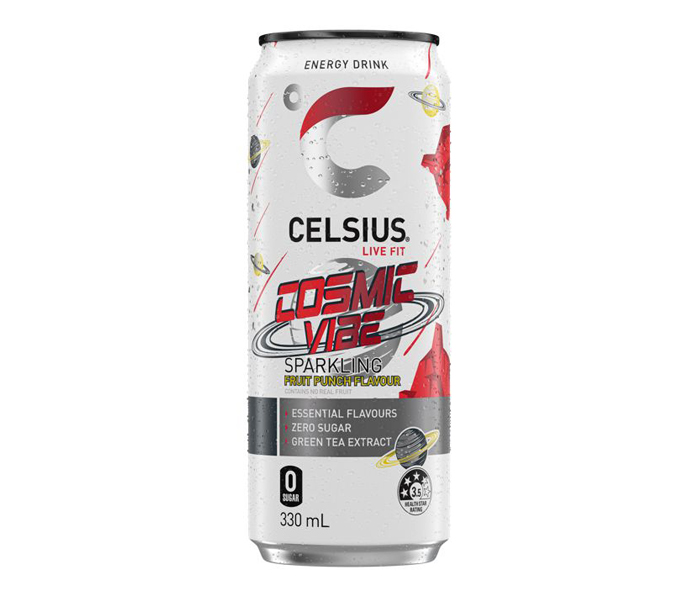
As a category, the company is focusing on health-oriented energy drinks.
“Especially in the United States, which is at the forefront, we are seeing new products emerging within the energy drink category, such as those targeting women, and those that emphasize benefits for mental well-being or gut health. It is likely that some of these will become trends that influence other markets,” she noted.
The company has defined the wellness care domain—including health-oriented energy drinks—as one of its key pillars, and is considering the rollout of new brands developed in collaboration with Suntory Wellness, which handles health foods and supplements within the Suntory Group.
Another pillar will be the hydration domain, including products around water and sports drinks.
Regarding this domain, she clarified the company’s thinking: “Around the world, products that are not just plain water, but water with some kind of added function, or sports drink–type products, are growing significantly. We intend to use technologies cultivated in Japan to develop new brands for overseas markets in this area.”
In both the wellness care and hydration domains, the company expects growth primarily on a global basis and will invest development funds accordingly.
In addition, it will make strategic capital investments in production and logistics.
At the Saraburi plant in Thailand, an aseptic production line will be added and begin full-scale operations this year. This will allow the company to internalize production of brand products that had previously been outsourced, improving profitability, as well as enabling production of new categories.
In its efforts toward core brand innovation, the company will enhance brand appeal by changing product designs and expanding container formats and sizes in line with consumer behavior.
One example is updates made to address sugar taxes.
“Particularly for overseas brands, in France there is a sugar tax, and several countries outside France are also strengthening sugar taxes. We are considering product designs that will taste just as good—or even better—even after reducing sugar,” she explained.