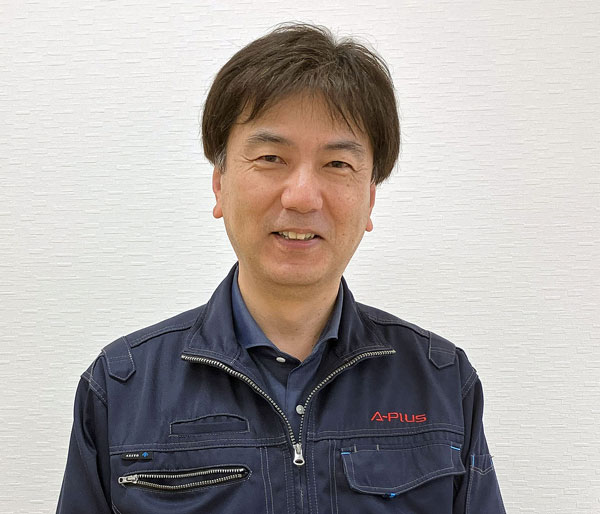
As abnormal weather around the world deals major blows to conventional agriculture—disrupting stable supplies of agricultural products and driving up prices—plant factories employing Japan’s most advanced technologies are drawing attention. A-Plus, led by President Toru Numagami, has operated the fully enclosed plant factory Farm & Factory TAMURA in Tamura City, Fukushima Prefecture, since December 2020. Along with supporting reconstruction in a disaster-affected area, it aims to respond to consumer needs for “safety and peace of mind,” “stable procurement and stable prices,” and “increasing demand for prepared foods.” We asked President Numagami about the company’s future business prospects.
◇ ◇
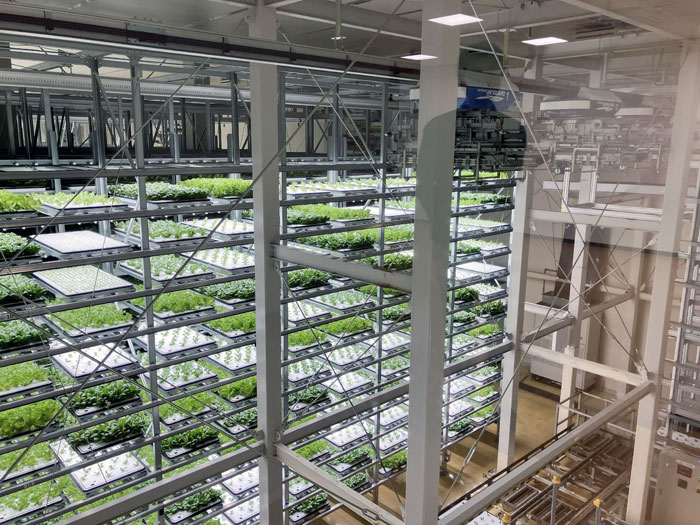
Farm & Factory TAMURA produces lettuce varieties, including frill lettuce and romaine lettuce. Its production capacity is approximately 12,000 heads per day, or 1.2 tons. It was the first in the world to introduce an automated transport system, with 14 monorails automatically moving cultivation units. Cultivation rooms are completely unmanned. Packaging and packing work are also automated, reducing labor requirements while ensuring thorough hygiene control.
Its greatest point of differentiation is its proprietary hydroponic system. President Numagami emphasized, “We use independent cultivation units. By not recirculating the nutrient solution and replacing it regularly, we prevent the growth of unwanted bacteria. We can stably supply completely pesticide-free, safe and reliable vegetables with a long shelf life, unaffected by the weather. Compared with open-field produce, there are fewer parts to discard, which also reduces waste loss.”
Sales channels for its products are expanding. Commercial-use products—5 kg bulk packs, 250 g cut packs, and individually packaged commercial packs—are selling steadily for use in cup salads and sandwiches at major convenience stores; salad bars at hotels and restaurants; and prepared breads, boxed lunches, and other products at local supermarkets and bakeries.
Going forward, the company plans to strengthen sales of processed products such as cup salads. “This is a new initiative to improve profitability. The factory was originally equipped with processing facilities, and we will add ingredients such as steamed chicken and offer finished products. We have already tested this at a major supermarket, and we want to shift from commercial-use products for convenience stores, which currently account for most of our business, toward the sale of more profitable processed products.”
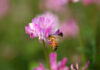
The next target is to establish a strawberry plant factory. “Strawberry plant factories operated by other companies are only partly automated. They use honeybees for pollination, which can also lead to disease. We aim to create an automated strawberry factory using the proprietary hydroponic system established at Farm & Factory TAMURA. We expect commercial demand for convenience-store desserts, strawberry sandwiches, and other products.”
Over the medium to long term, the company has global expansion through franchise and joint-venture partners in its sights. The image is to horizontally deploy the plant-factory operating model established in Japan as an all-inclusive “factory package.”
President Numagami said, “As we expand the business, we intend not to own factories ourselves, but to specialize in consulting businesses such as factory planning and cultivation support through data analysis. In addition to selling automated equipment and auxiliary materials, in the future we would like to extend these systems to conventional agriculture and apply them to the production of plants for pharmaceuticals and cosmetics.”