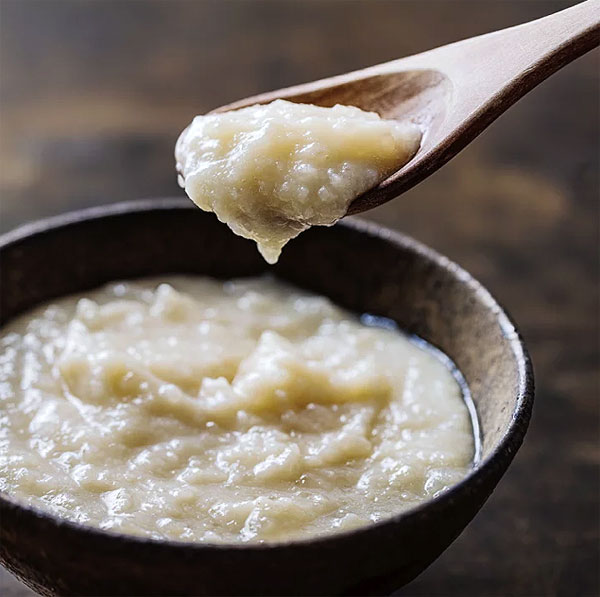
Have you heard of “chūniang”? (This reporter had not.) Written in Chinese characters as 酒醸, it is a fermented seasoning essential for adding richness to Chinese dishes, including shrimp chili sauce. In Japan, it is known only to those in the know, but it is in fact a standard ingredient widely used by Chinese restaurants.
Until now, virtually only one company had handled canned commercial-use products in Japan. However, since the start of this year, its contract manufacturer has gone bankrupt. Production was abruptly discontinued, sending shockwaves through the Chinese food industry.
Chūniang is made by fermenting rice and rice koji. Although there are differences in the production method, as described below, its taste is similar to Japanese koji amazake. For this reason, a movement spread among specialty restaurants to use amazake as a substitute.
Ise So, a manufacturer based in Itabashi Ward, Tokyo, took notice. The company focuses on koji-related products, including “Miyako Koji,” a familiar product among people who make miso, amazake, and shio koji at home.
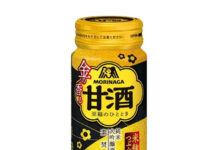
In response to the “chūniang turmoil,” its sales force sprang into action. When the company promoted its amazake as an alternative, it was adopted one after another and is already reportedly becoming established within the industry.
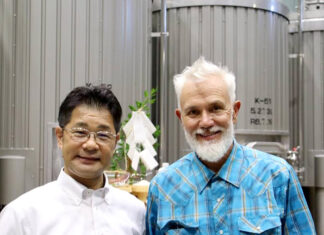
“Still, it is ultimately amazake, so many users said, ‘We want chūniang after all,’ and ‘It has to be chūniang.’ Making koji products is our core business. This is exactly our area of expertise,” explained Ise So Executive Managing Director Shoji Adachi.
The company therefore decided to commercialize chūniang itself, rather than merely offering a substitute.
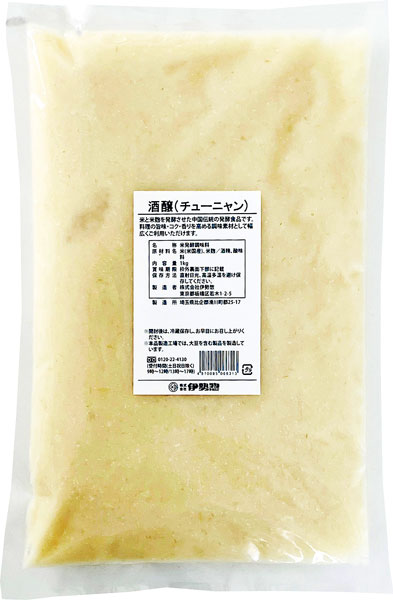
Although the raw materials are nearly the same, amazake is made by fermenting for more than 10 hours at around 55°C, whereas chūniang is fermented for two to three days at room temperature. As alcoholic fermentation progresses, it produces a distinctive acidity that amazake does not have. Leveraging technologies and know-how it has cultivated, the company has newly developed a 1 kg product for commercial use, to be launched on April 20.
“I think most Japanese people do not know chūniang, but it caused a commotion in the limited Chinese cuisine market. In the future, it may attract attention as a new seasoning, depending on circumstances,” Adachi said expectantly. Could a chūniang boom be just around the corner?