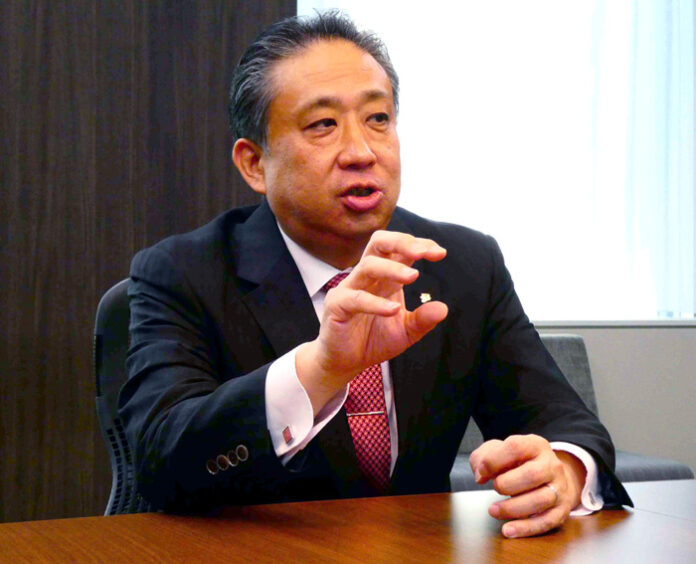
Seven-Eleven Japan will work over the next several years to fundamentally rebuild its supply chain. The company plans to proceed with the reforms step by step, and President Tomohiro Akutsu said, “We will take on challenges while identifying the issues. It will be a major transformation, gradually changing a system that we have built over the past 50 years.” Amid a harsh environment of rising raw material costs caused by inflation and a weak yen, the company aims to shift to a profit structure that does not rely solely on passing costs on through price increases.
In the reform, the company will improve logistics efficiency and optimize procurement conditions, and from the perspective of the entire supply chain from manufacturing to stores, it will consistently review costs and other factors in depth.
Over the past few years, the company has begun reviewing lead times from ordering to delivery. For products delivered at room temperature, such as confectionery and daily sundries, the cycle had previously been that an order placed in the morning would arrive the same evening. However, in light of logistics and labor shortages, the company changed the system to lengthen the lead time. It was accepted by franchise stores and enabled a significant reduction in logistics burden. “As a result of connecting the field and logistics, we gained important lessons,” President Akutsu said in reflection.
The reform is still in progress, and the company will set a theme for each year and work on it. “We want to decide, within this fiscal year, which areas we will tackle next year,” he said, emphasizing the stance of seeking “a path that benefits both sides” with suppliers. “There may be situations in new initiatives where suppliers bear a burden, but we will move forward together while discussing what value we can provide,” he said, indicating that he intends to steadily advance the structural transformation.