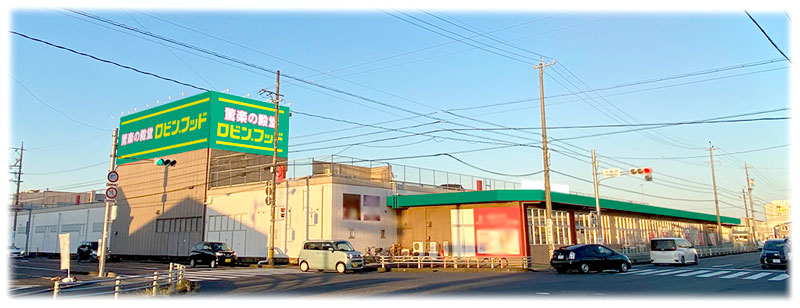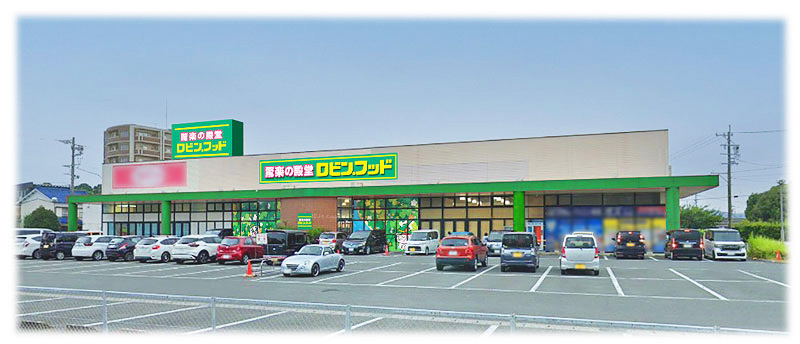
The second and third stores of Pan Pacific International Holdings’ (PPIH) new format, “Kyōraku no Dendō Robin Hood” (“Robin Hood, the Palace of Surprise and Fun”), will open simultaneously on May 29.
The former Piago Toyokawa store in Aichi Prefecture and the former Piago Kasamatsu store in Gifu Prefecture will be renovated. In addition, Piago Kanuki store in Shizuoka Prefecture is scheduled to be converted to the new format on June 26, followed by Piago Kubota store in Mie Prefecture on June 30. After establishing a foothold in the four Tokai prefectures, PPIH aims to open 300 stores by 2030.
The new “Robin Hood” format is a food-focused discount store that combines Uny’s procurement capabilities—built through years of leadership in the Chubu region, particularly in fresh foods—with Don Quijote’s non-food products, which attract consumers across a wide range of age groups.
At the “Robin Hood Jimokuji Store,” which opened on April 24, long lines of local residents formed from the time of opening, underscoring the high level of attention the format has attracted.
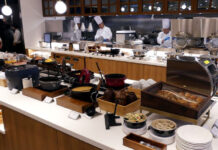
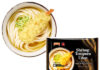
In the food section, the deli assortment has been expanded by 1.5 times. At the “Udon Buffet,” which offers a new experience, customers can choose from two kinds of noodles—udon and kishimen—priced at 198 yen, along with hot or cold versions of both Kanto-style and Kansai-style broth(dashi).
Tempura, priced at 130 yen, is discounted by 30 yen per piece with each bowl of udon. Free toppings include green onion, wakame seaweed, and tempura crumbs.
The “Mini Maru Bento,” priced at 299 yen, allows customers to enjoy small portions of various rice bowls, including oyakodon, tenshinhan, beef kalbi bowl, and shrimp-tempura bowl.
The “Dera Uma Nagoya Gourmet” section, which brings together local specialties, offers standard items such as miso kushikatsu, tenmusu rice balls, and chicken wings.
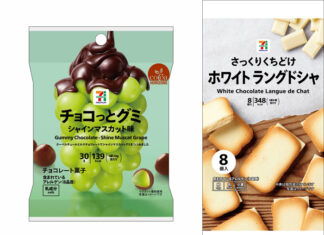
The store also offers a full selection of handmade-style sweets produced at its own factories, including pudding, coffee jelly, and almond jelly.
The company also unveiled its original product brands. Four lines are available: “An” for convincing cost performance with an emphasis on price; “Toku,” which balances affordability and quality; “Soku,” for quick use; and “Raku,” which requires little effort. Fifty items were available at opening, and the range will be expanded to 100 items by the end of 2026.
In addition, the non-food section—which accounts for 40% of the sales floor—offers five categories: “Entertainment,” including character goods; “One Mile,” including underwear and loungewear; “Wellness,” including health foods and fitness equipment; “Beauty,” including skincare products and overseas cosmetics; and “Daily Necessities,” including miscellaneous goods, cooking utensils, and home appliances. The company has developed a sales floor designed to provide one-stop shopping.
In the Tokai region’s food-supermarket sector, new openings and renovations of smaller stores that are easy to shop around are progressing. Competition is intensifying not only among supermarkets, but also across formats including drugstores and convenience stores.