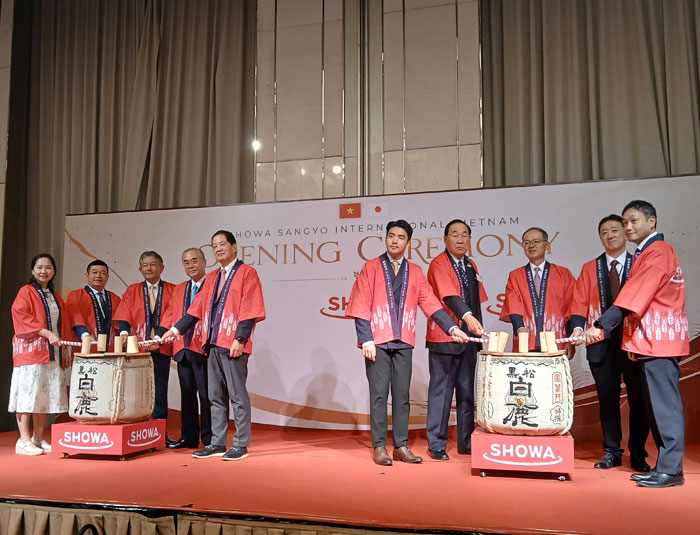
To commemorate the opening of its wholly owned Vietnamese subsidiary, Showa Sangyo International Vietnam Co., Ltd. (Ho Chi Minh City, Vietnam; hereinafter, Showa Sangyo Vietnam), Showa Sangyo held an opening ceremony at Hotel Nikko Saigon in Ho Chi Minh City on April 22.[1][2]
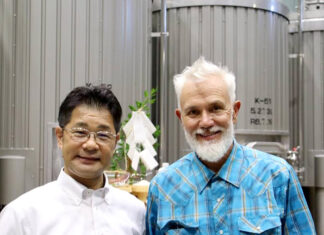
The commemorative ceremony was attended by Hideyuki Tsukagoshi, President of Showa Sangyo; Shinji Maruyama, Chairman of Showa Sangyo Vietnam; and Seiki Furudate, Principal Consul at the Consulate-General of Japan in Ho Chi Minh City, among others. A media session inviting local media and food-related influencers was also held, where the company unveiled “SHOWA TEMPURA Batter Mix,” a tempura flour manufactured locally for the Vietnamese market.
Showa Sangyo Vietnam is the group’s first wholly owned overseas subsidiary. With the aim of developing products of Japanese quality in Vietnam’s continuously growing market, the company completed a new premix factory in April. It will further strengthen sales and product-proposal activities within Vietnam, while accelerating expansion in ASEAN and global markets.
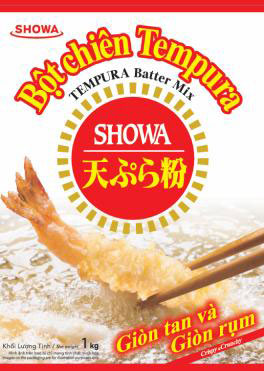
The new “SHOWA TEMPURA Batter Mix” is a tempura flour developed for the Vietnamese market by applying powder-manufacturing technology cultivated in Japan for more than 60 years. Its formulation has been optimized to produce a vivid yellow color and a crisp, crunchy texture. As a “Japanese-quality” premix tailored to local needs, it will be sold mainly through local foodservice and commercial channels.
At the ceremony, Chef Oyama of Hotel Nikko Saigon conducted a cooking demonstration before Vietnamese local media and influencers, conveying the product’s quality, ease of use, and the deliciousness of freshly fried tempura.
The venue also displayed the Showa Sangyo Group’s product lineup, including edible oils, flour, pancake mix, karaage coating mix, and pasta. A broad range of products familiar in Japan was introduced.
Going forward, the group will combine local development capabilities with the technologies and quality-control expertise cultivated in Japan to promote the development of high-value-added products suited to diverse food cultures and needs. By building a competitive supply system and pursuing initiatives in food-safety assurance, environmental-impact reduction, and human-resource development, it said it will “work toward sustainable business operations while coexisting with local communities.”