Cook Deli, which provides fully cooked frozen foods for elderly care facilities, has developed the first product in the industry to be certified by the Japan Optimized Nutritional Food Association. With its new product, “Kayu Plus Meat Miso,” the company aims to bring about a “porridge revolution” in institutional meal service. Simply by adding the product to ordinary rice porridge, it creates a serving with 33 nutrients balanced in accordance with the Dietary Reference Intakes for Japanese, 2020. The company stated: “Porridge is easy to eat and is therefore often chosen by elderly people, but it contains a great deal of water and provides little nutrition. This new product solves that issue and can also help address labor shortages at serving sites.”
Optimized nutritional food refers to food in which key nutrients are appropriately and well-balanced in accordance with each individual’s condition. To date, certified products have been launched by 15 companies, and approximately 54 million servings had been shipped as of the end of fiscal 2025.
To coincide with the start of sales on the 10th, the company held a presentation in Tokyo. Cook Deli will mark the 10th anniversary of its establishment this September. Its sales have grown markedly in recent years, from ¥9.2 billion in fiscal 2023 to ¥13.2 billion in fiscal 2024 and ¥16.8 billion in fiscal 2025. Cumulative sales have surpassed 250 million meals. The company employs approximately 30 registered dietitians and is engaged in developing fully cooked frozen foods that pursue both good taste and nutritional balance.
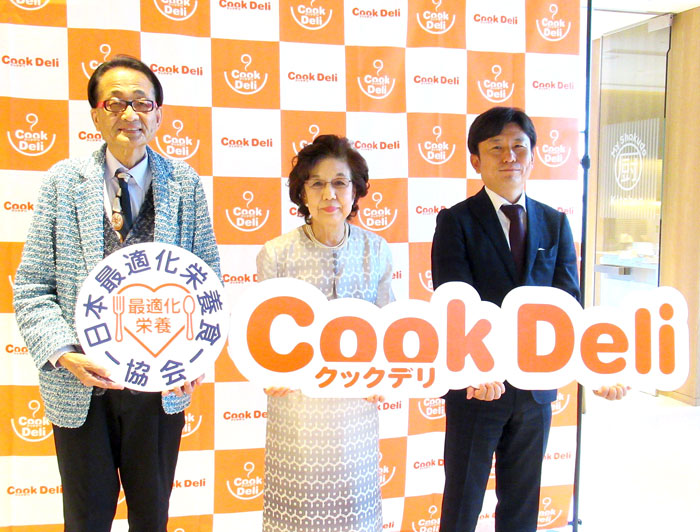
Kenichi Shimizu, Executive Officer, Head of the Sales Division, and Head of the Marketing Office, said: “Our major goal is to eliminate frailty from the world. We currently provide 230,000 meals every day to 7,000 facilities nationwide, and this has grown more than threefold over the past five to six years. This growth has been driven not so much by our own efforts as by changes in the social environment and widespread labor shortages.”
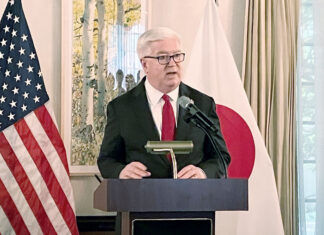
In the first half of the presentation, Hiroshi Ito, Chairman of the Japan Optimized Nutritional Food Association and Specially Appointed Professor at Keio University’s Center for Preventive Medicine, delivered a lecture. He said, among other things: “We know that diet is as important as income in achieving well-being. However, it is difficult to achieve nutritional balance in today’s food environment. Incorporating optimized nutritional foods is effective in addressing this challenge.”
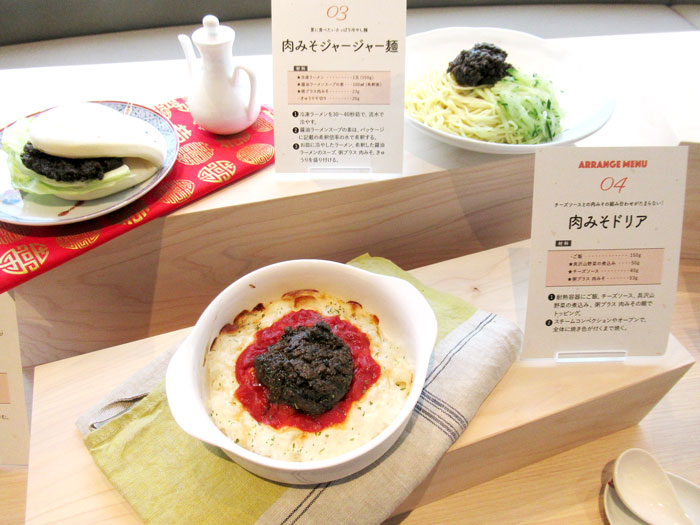
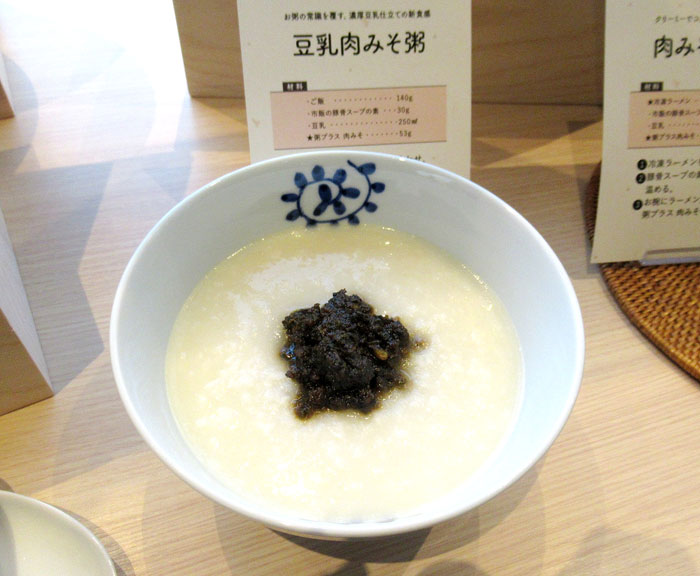
“Kayu Plus Meat Miso” is a product certified by the Japan Optimized Nutritional Food Association. Because simply adding nutrients can produce a strong astringent or harsh taste, the company said it experimented repeatedly with ingredient selection and production methods during development. Its catchphrase is: “Solid nutritional replenishment in one bowl: a porridge revolution for elderly people.” Simply adding 53 grams of meat miso—one serving—to 200 grams of rice porridge creates an easily prepared, nutritionally balanced meal. Each serving provides 303 kcal and 15 grams of protein, among other nutrients. Another key feature is its generous use of MCT oil, or medium-chain triglycerides, among the edible fats and oils. The frozen product comes in 265-gram bags, each containing five servings.
Looking ahead, the company said: “We are committed to a robust seasoning and delicious flavor, making it easy to pair with dishes such as doria, toast, and noodles. We are considering expanding the ‘Kayu Plus’ series with additional flavors.”